


Clave y Cañamo: Culture Lit from Within
image - Isabel Neiva
An interactive timeline of Afro-Latinx resistance, rhythm, and ritual
1910s – La Cucaracha: Smoke in the Revolution
La Cucarcha - Isabel Neiva
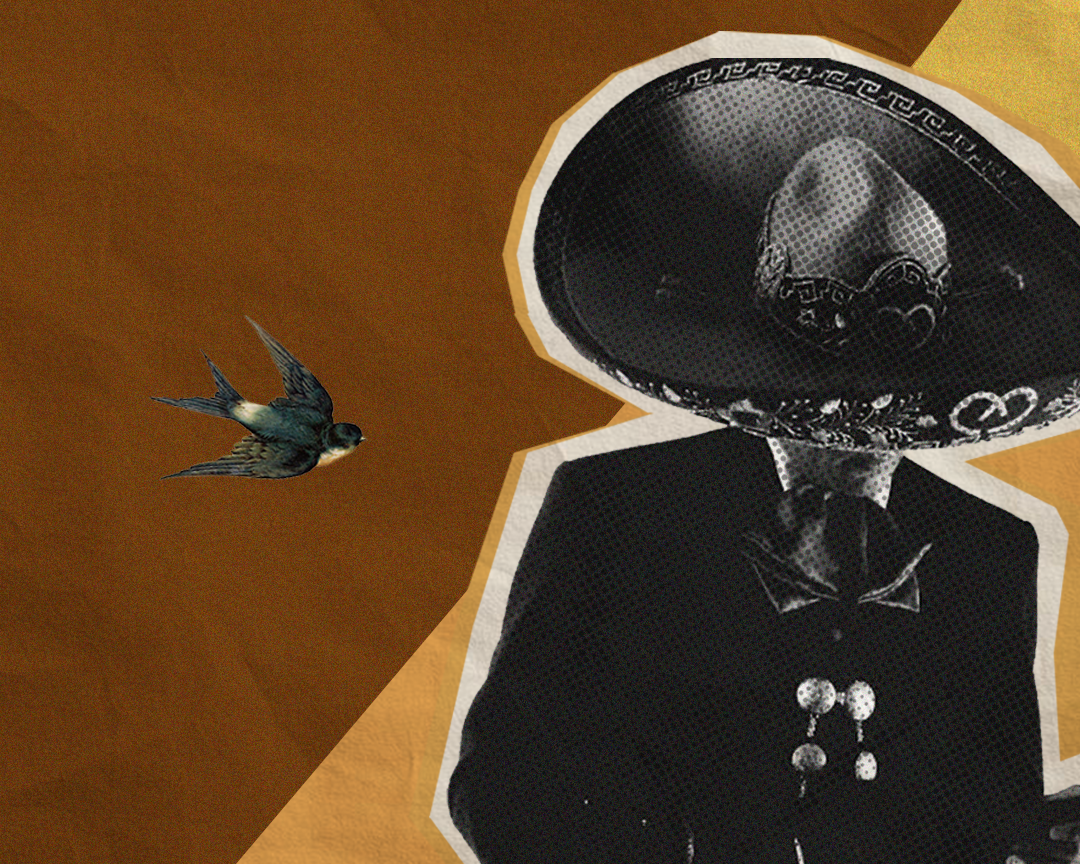
During the Mexican Revolution, soldiers sang “La Cucaracha,” joking that the cockroach couldn’t walk without weed: “porque no tiene marihuana que fumar.” Beyond the humor, the lyric was a symbol of grassroots rebellion. The song traveled across borders, embedding cannabis into the oral culture of working-class communities from Mexico to the Caribbean.
1930s – Harlem, Havana, and Herb
Harlem x Havana - Isabel Neiva
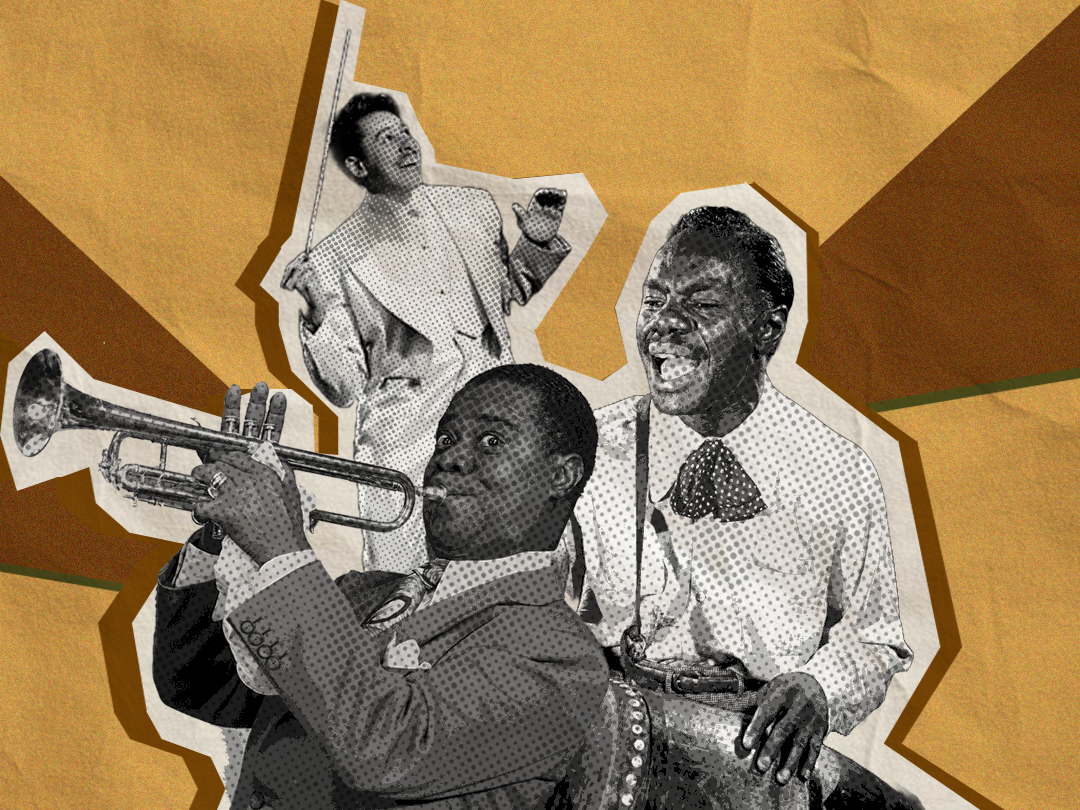
In Harlem and Havana, jazz musicians smoked cannabis before jam sessions, calling themselves “vipers.” Afro-Cuban sounds fused with Black American swing, forming early blueprints for Latin jazz. New Orleans newspapers called marijuana a “jungle menace,” revealing the racialized fear behind the crackdown. The herb was feared because it was associated with Black culture.
1943 – Tanga by Machito & Mario Bauzá
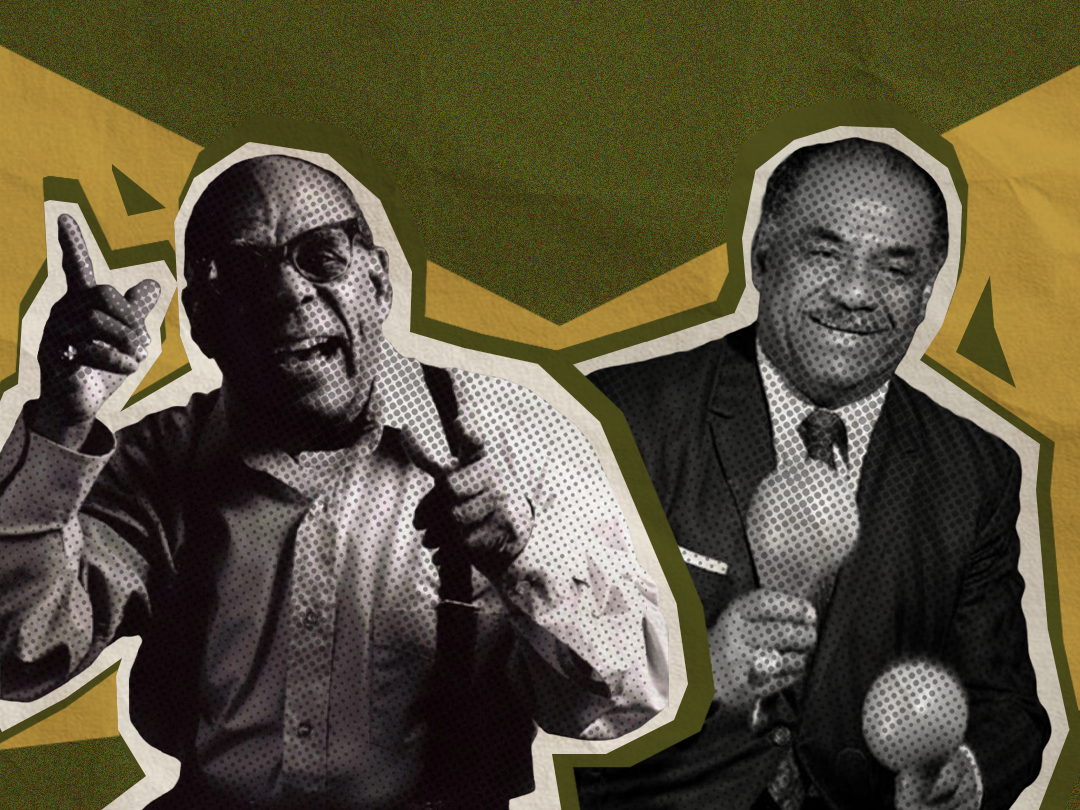
Widely regarded as the first Afro-Cuban jazz composition, Tanga fused African clave with big-band jazz in New York City. According to long-standing jazz oral history — including public radio accounts — the title derives from an African term for marijuana, a nod to the broader Black Atlantic cultural milieu in which jazz, rhythm, and altered states often intersected.
Tanga - Isabel Neiva
1968 – Let’s Get Stoned by The Lebrón Brothers
This Afro-Puerto Rican group from Brooklyn reimagined a Ray Charles song into a Latin soul anthem. “Let’s Get Stoned” wasn’t subtle; it captured how Nuyorican youth were mixing salsa, R&B, and herb. Boogaloo was the sound of cultural collision, and cannabis was part of the party and the protest.
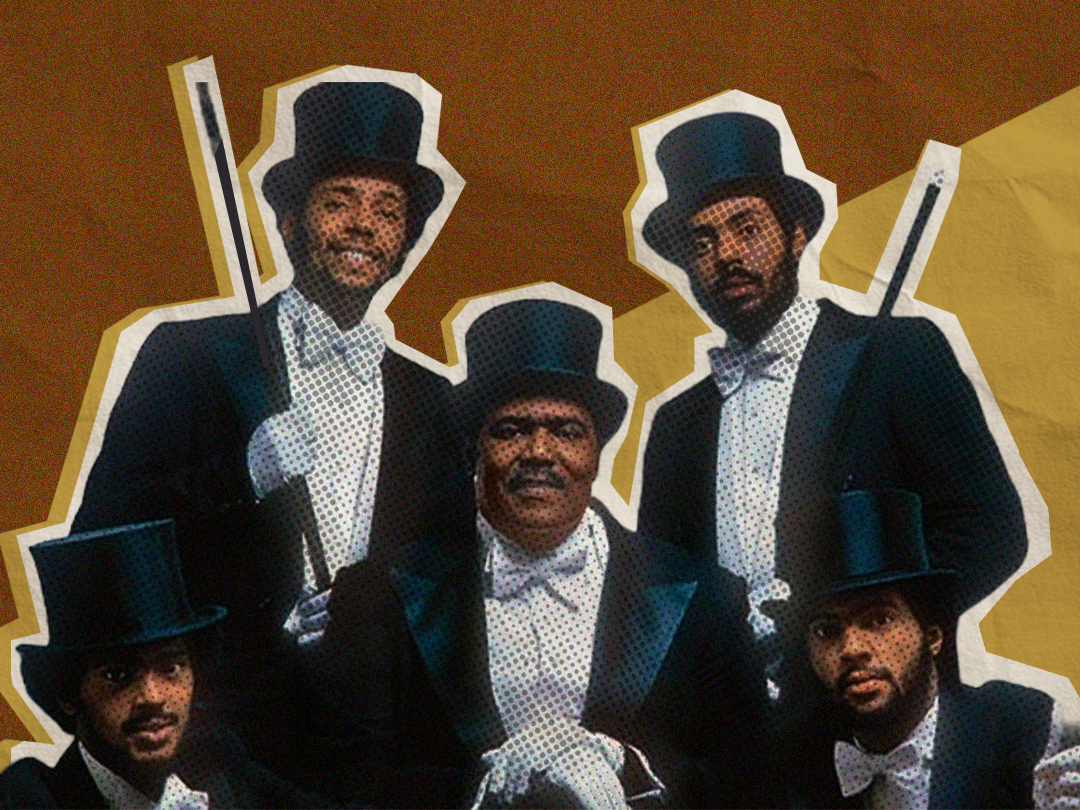
The Lebrón Brothers - Isabel Neiva
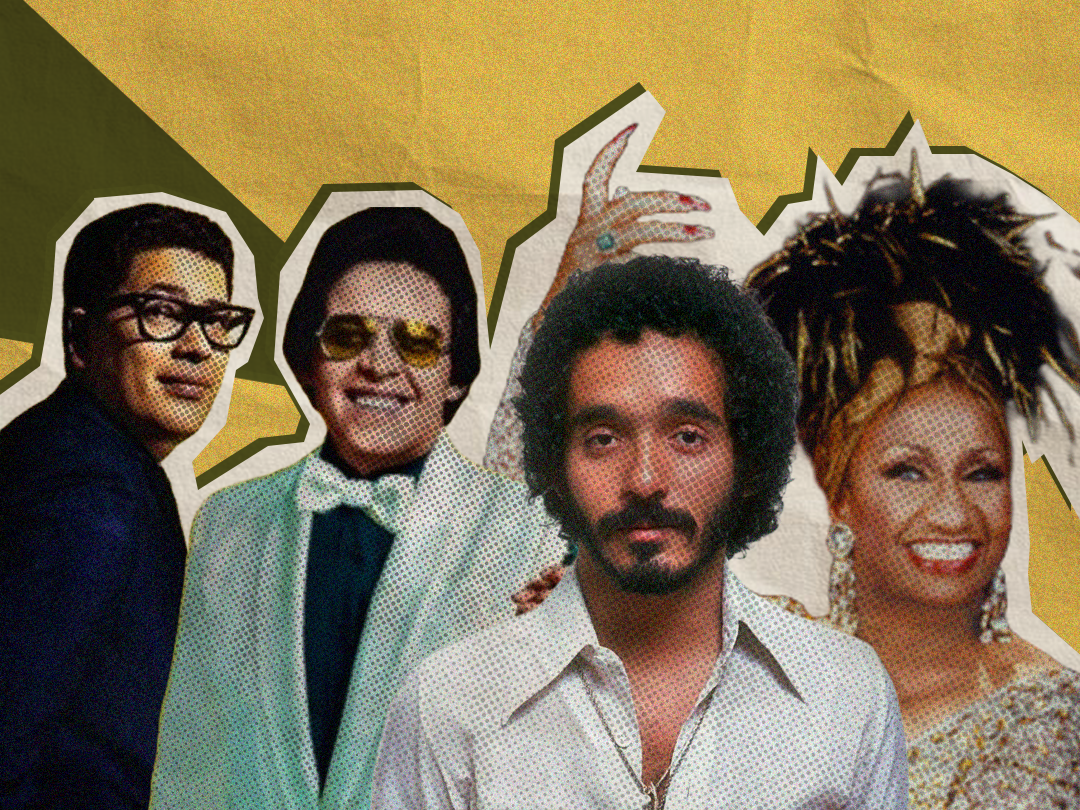
Lendas - Isabel Neiva
1973 – Rockefeller Drug Laws Crack Down
NY passed some of the harshest drug laws in the country. Black and Puerto Rican youth caught with a joint could face years in prison. Meanwhile, salsa songs like “Calle Luna, Calle Sol” captured the grit of the streets. The music remained defiant, but the smoke now carried risk.
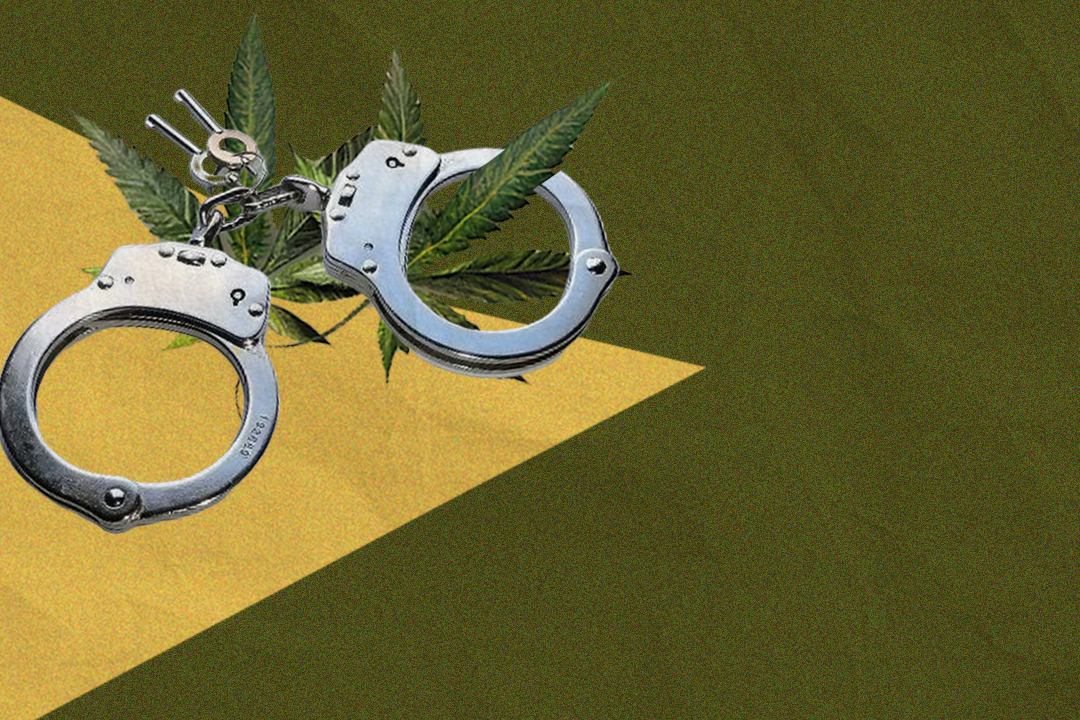
Rockefeller drug laws - Isabel Neiva
Late 1970s-early 1980s – Fruko’s Cannabis in Colombia
At Discos Fuentes, the legendary Fruko composed Cannabis, an instrumental recorded by Los Pambelé. Released quietly on 7" vinyl, the track nodded to the herb’s underground place in barrio life, where music, survival economies, and resistance often moved together. In Caribbean cities like Barranquilla, these sounds fueled block parties and dances beyond official narratives.
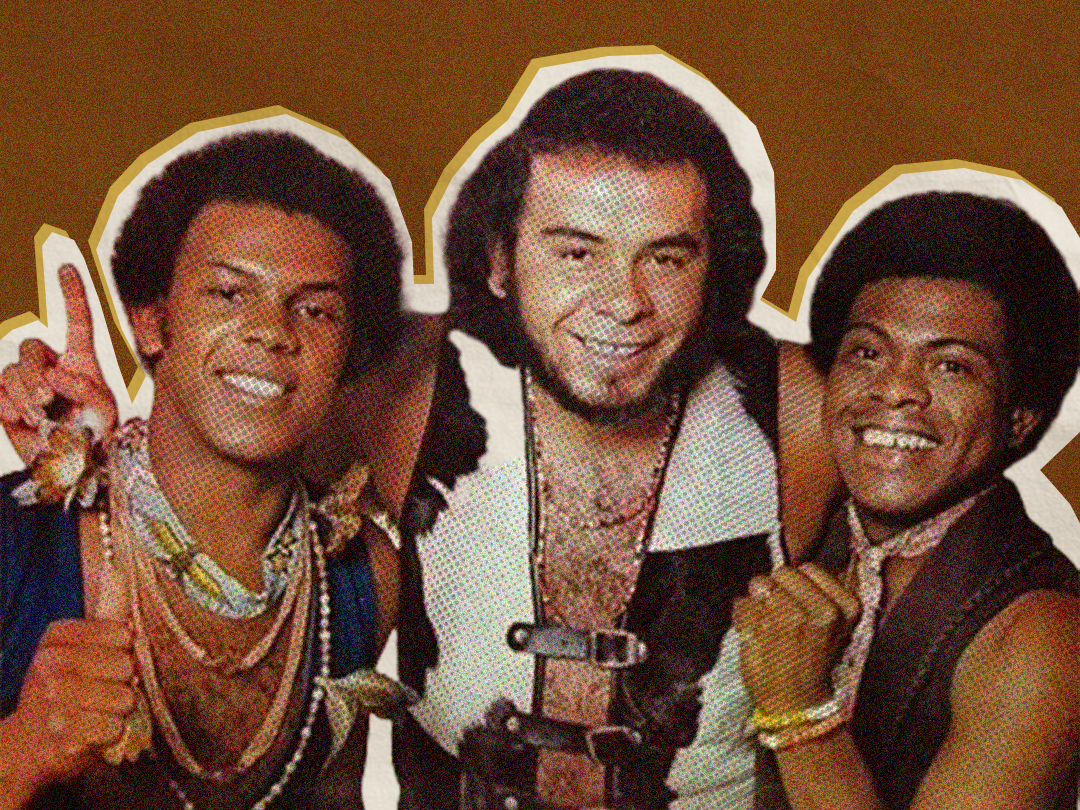
Fruko y Sus Tesos - Isabel Neiva
Today – Reclamation and Recognition
Across the Americas, Afro-Latinx artists and communities are reclaiming the plant that once marked them for punishment. Musicians sample old viper jazz riffs, rappers reference herb as healing, and dancers honor the rituals that kept ancestors grounded. Cannabis culture is no longer hidden in alleyways or coded lyrics. It is resurfacing in galleries, block parties, and grassroots movements that name its true lineage. What was criminalized as vice is being restored as memory, medicine, and heritage. The rhythm continues, carried by a generation unafraid to say where the story began and who kept it alive.